47 Foundation Studies for C Instruments - In Unison for Band or Orchestra, Rhythmic Patterns, Staccato Passages, Scale Pattern, Rest Patterns (EL1723) Review


CONTENT - FROM ABIDE WITH ME TO YANKEE DOODLE

47 Foundation Studies for C Instruments - In Unison for Band or Orchestra, Rhythmic Patterns, Staccato Passages, Scale Pattern, Rest Patterns (EL1723) Review
Stage to Studio: Musicians and the Sound Revolution, 1890-1950 (Studies in Industry and Society) Review
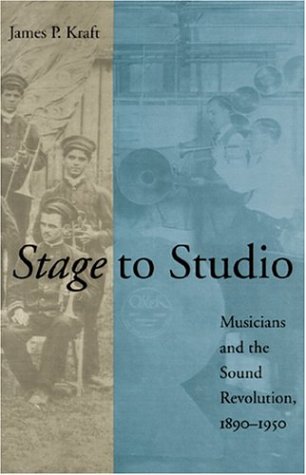
Between the late nineteenth and mid-twentieth century, technology transformed the entertainment industry as much as it did such heavy industries as coal and steel. Among those most directly affected were musicians, who had to adapt to successive inventions and refinements in audio technology—from wax cylinders and gramophones to radio and sound films. In this groundbreaking study, James P. Kraft explores the intersection of sound technology, corporate power, and artistic labor during this disruptive period.
Kraft begins in the late nineteenth century's "golden age" of musicians, when demand for skilled instrumentalists often exceeded supply, analyzing the conflicts in concert halls, nightclubs, recording studios, radio stations, and Hollywood studios as musicians began to compete not only against their local counterparts but also against highly skilled workers in national "entertainment factories." Kraft offers an illuminating case study in the impact of technology on industry and society—and a provocative chapter in the cultural history of America.
Debussy's Ibéria (Studies in Musical Genesis and Structure) Review

Annual Review of Jazz Studies 14 Review